04 · Personal project · 2026
Super Pawmarket
My own cozy game. I designed everything, from the first story idea to the last screen, and built it with the help of AI.
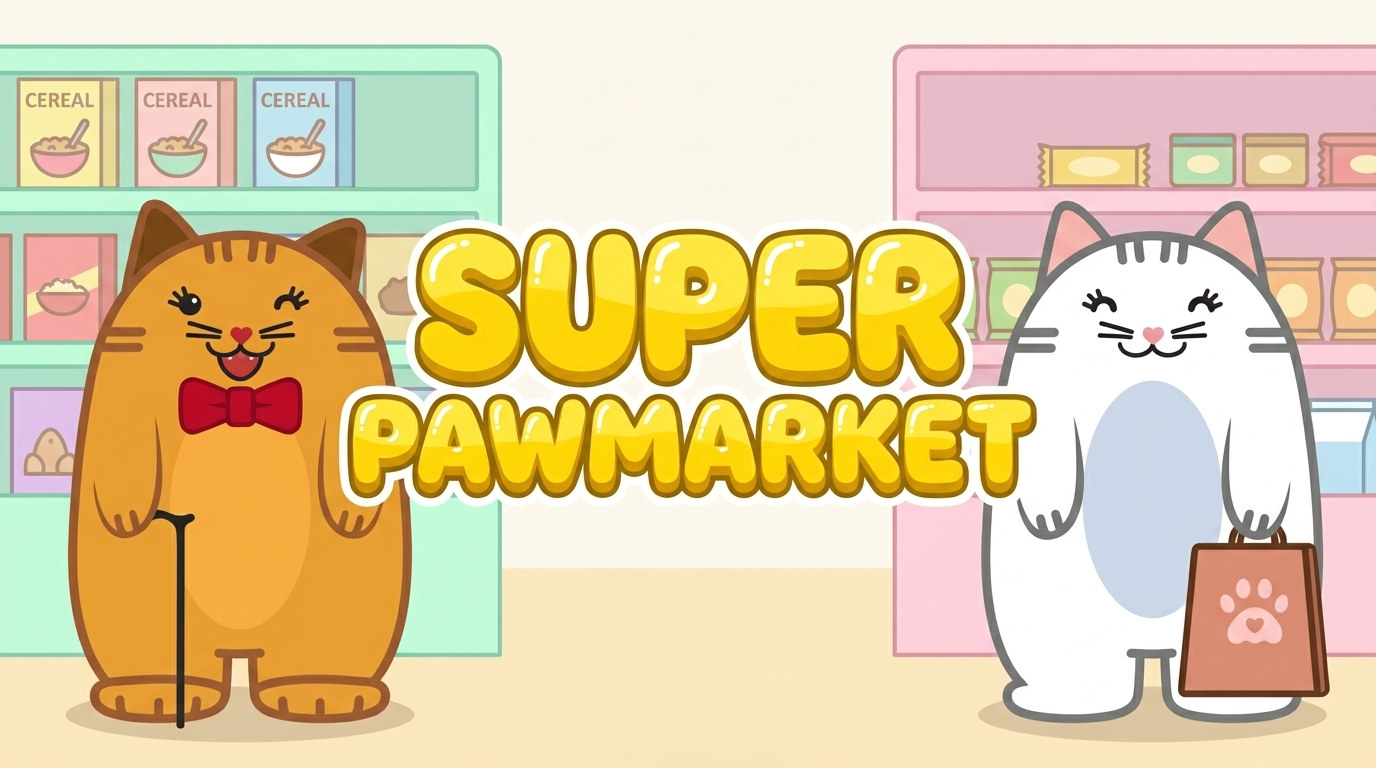
The cover.
Cats need groceries too
It started with a story, not a screen. You run the checkout of a small supermarket where every customer is a cat. Scan their items, take card or cash, give exact change, and keep the line moving before they lose patience.
Sketch first, then the flow
Before any character existed, I sketched the checkout by hand to find the layout: money on top, the line of cats behind the counter, and everything the paw needs within reach.
Then I storyboarded a full sale, scene by scene, so every moment had one clear action: scan, pay, say goodbye, next customer.
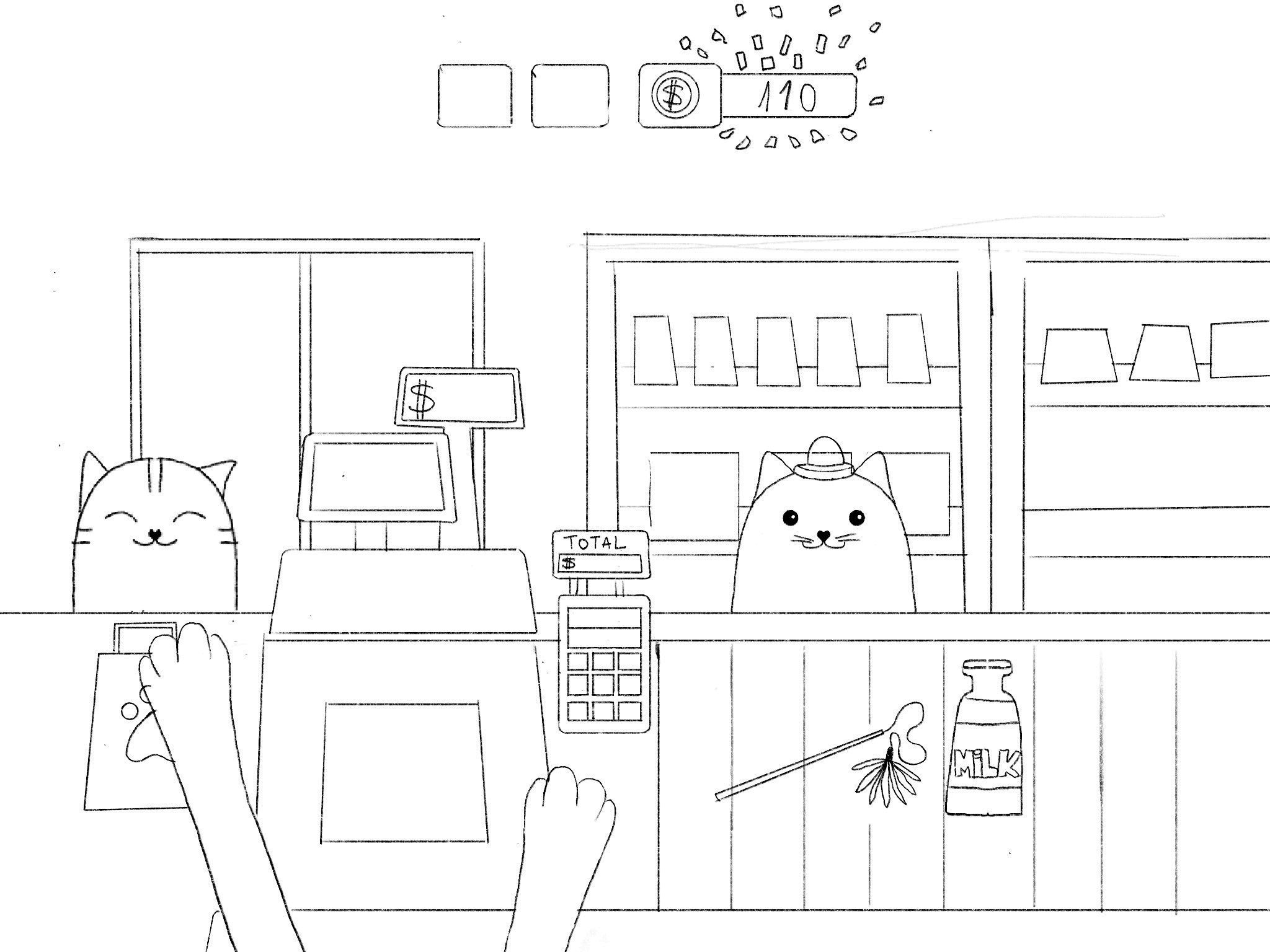
The first sketch, pencil on paper.
01Scanning products
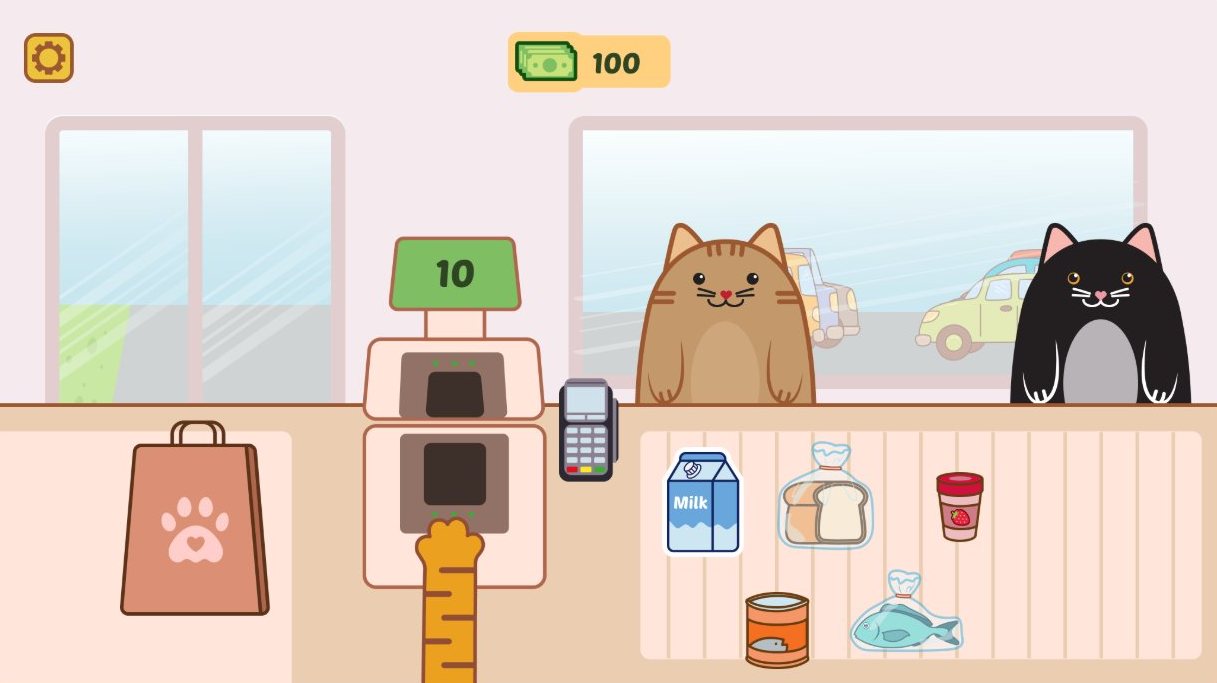
1The cat arrives with its items. 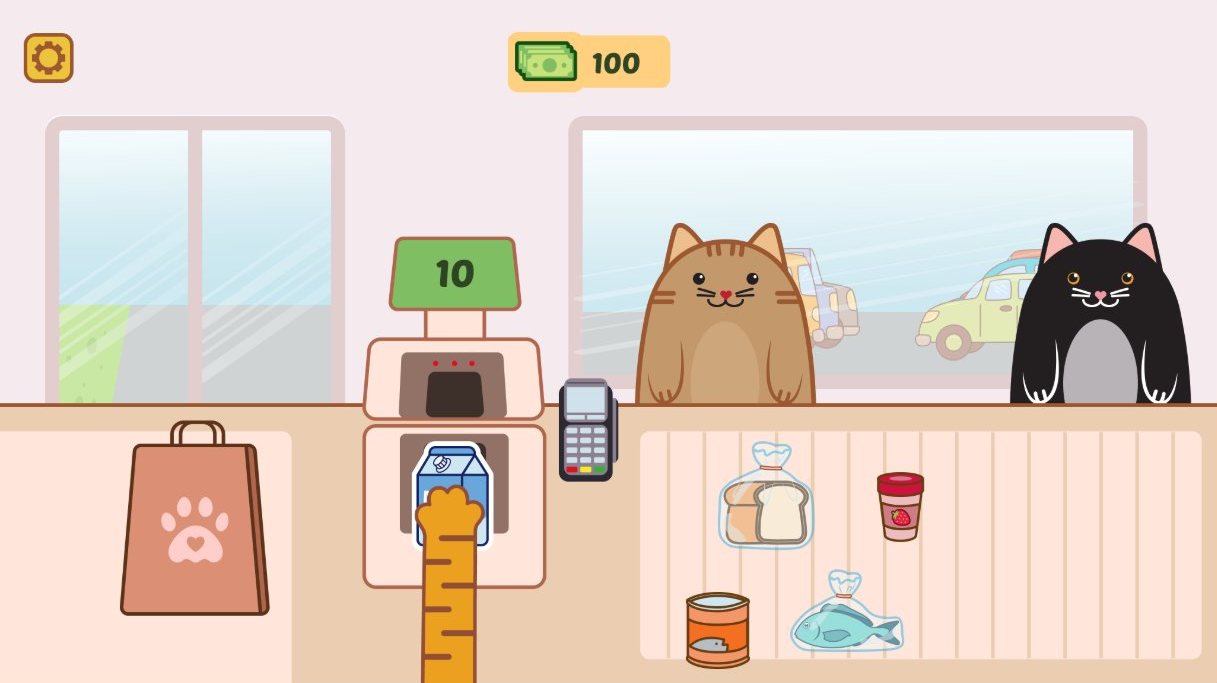
2Scan the milk. 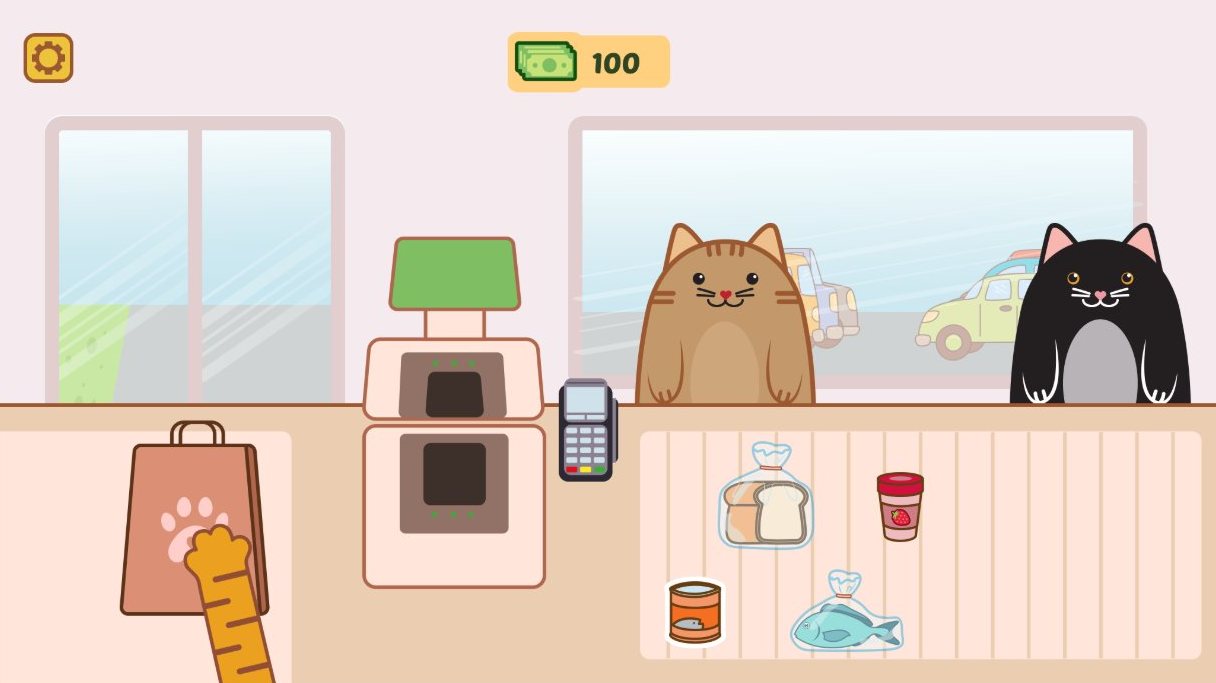
3Into the bag. 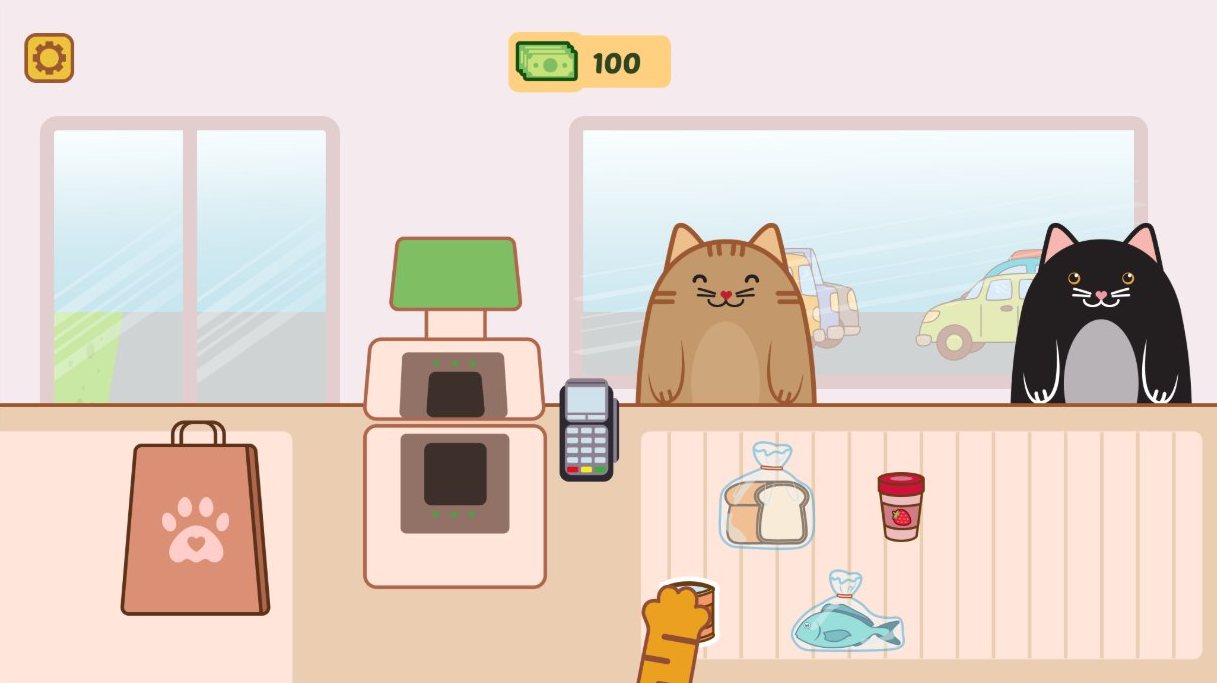
4Next item. 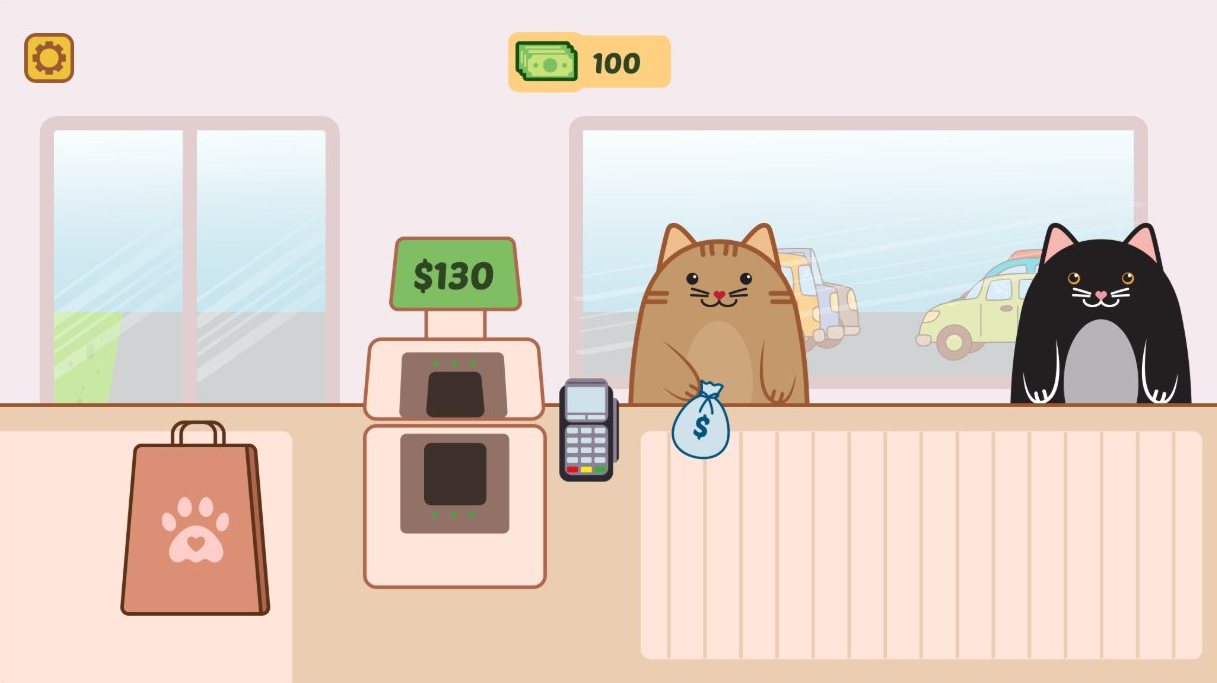
5Total: $130. 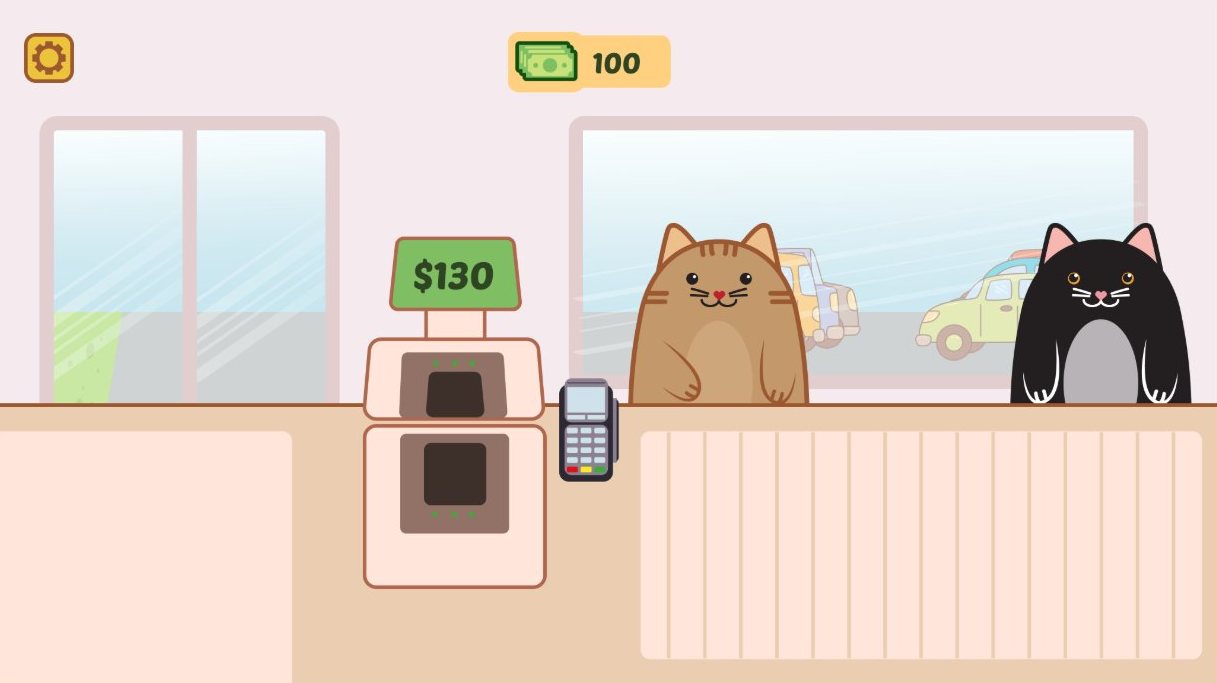
6Ready to pay.
02Payments: cash and card
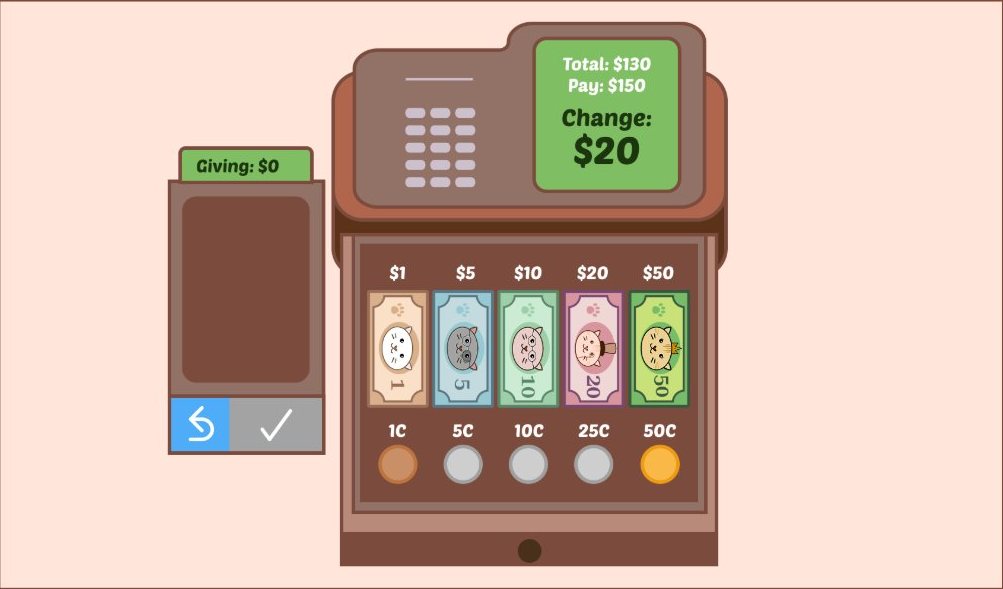
1Cash: the register opens. 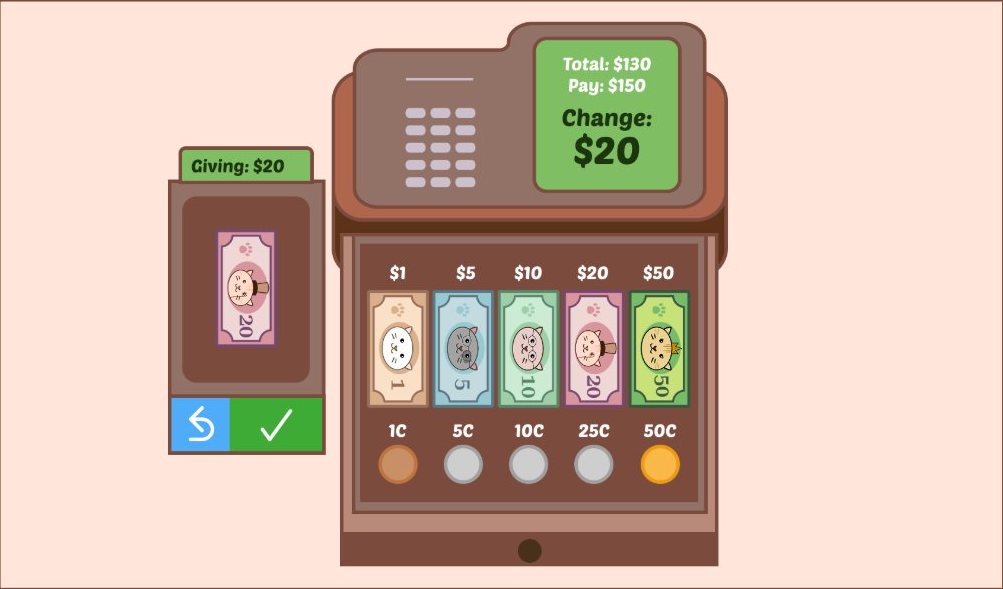
2Pick the bills. 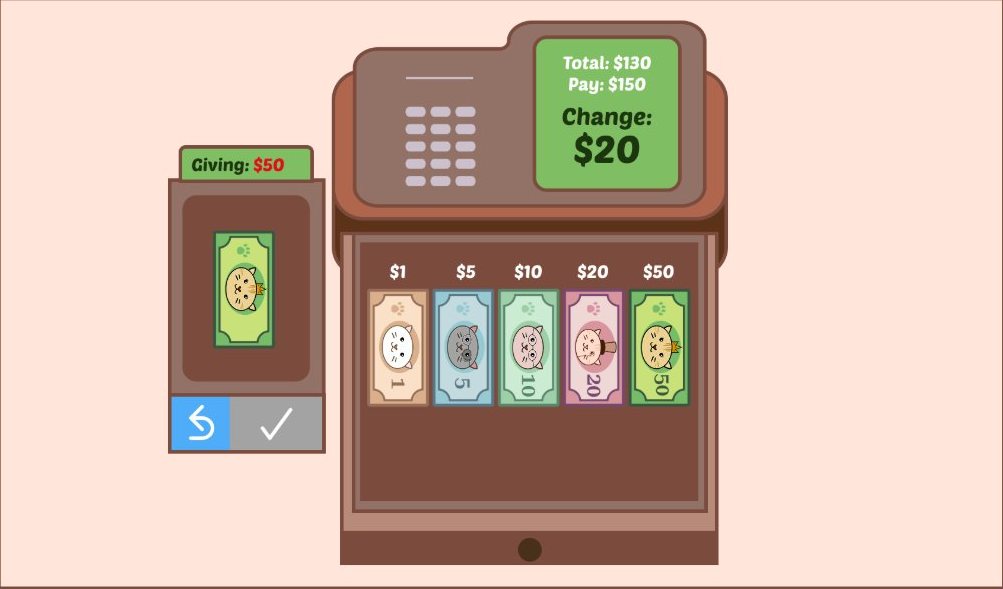
3Confirm the change. 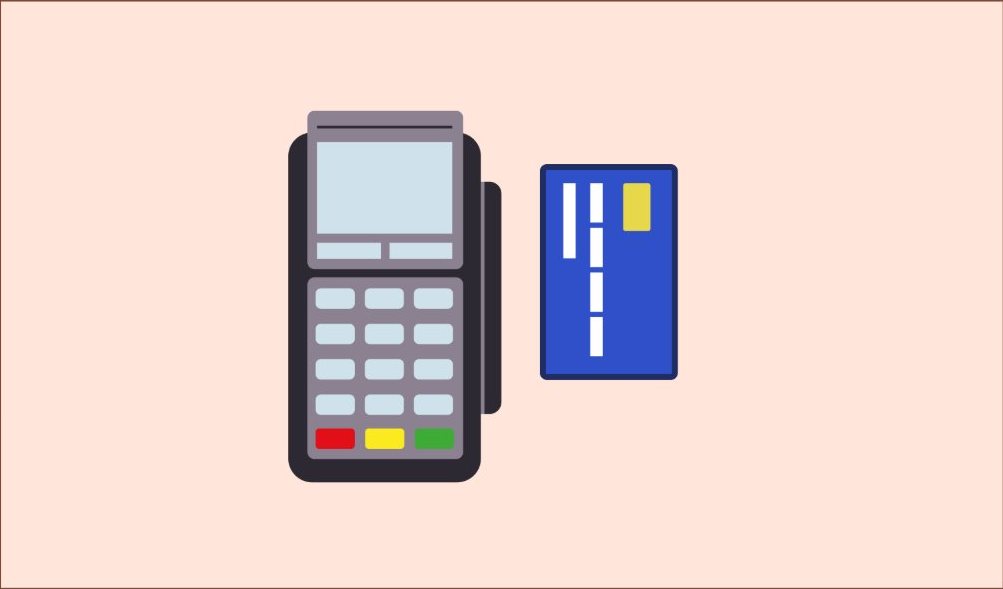
4Card: get it ready. 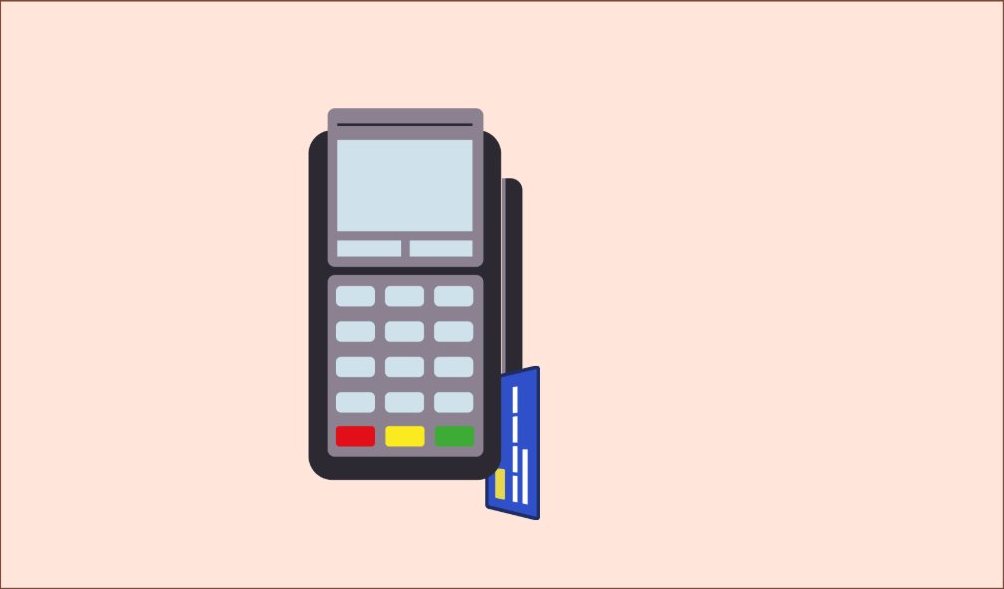
5Insert the card. 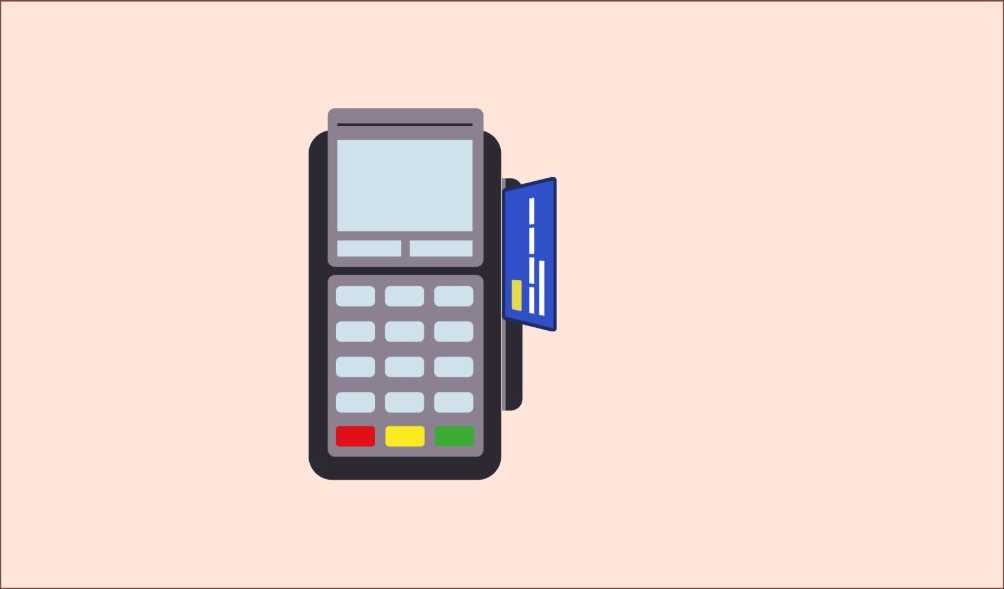
6Payment approved.
03Purchase completed
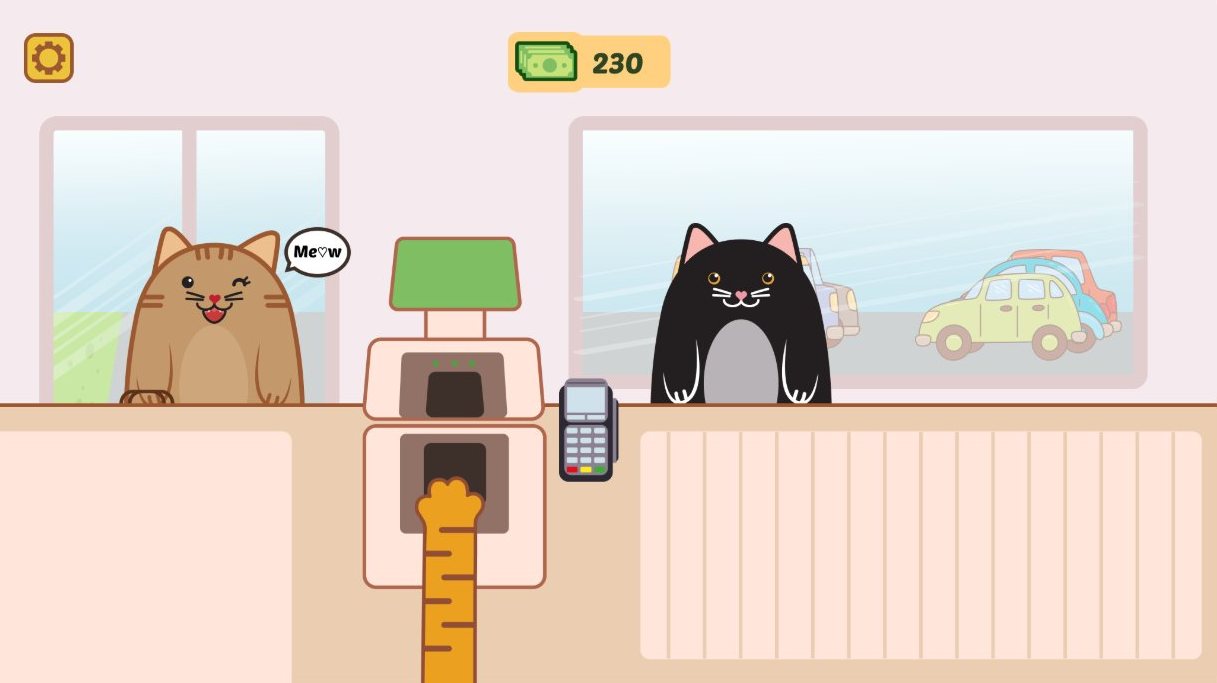
1A happy meow. 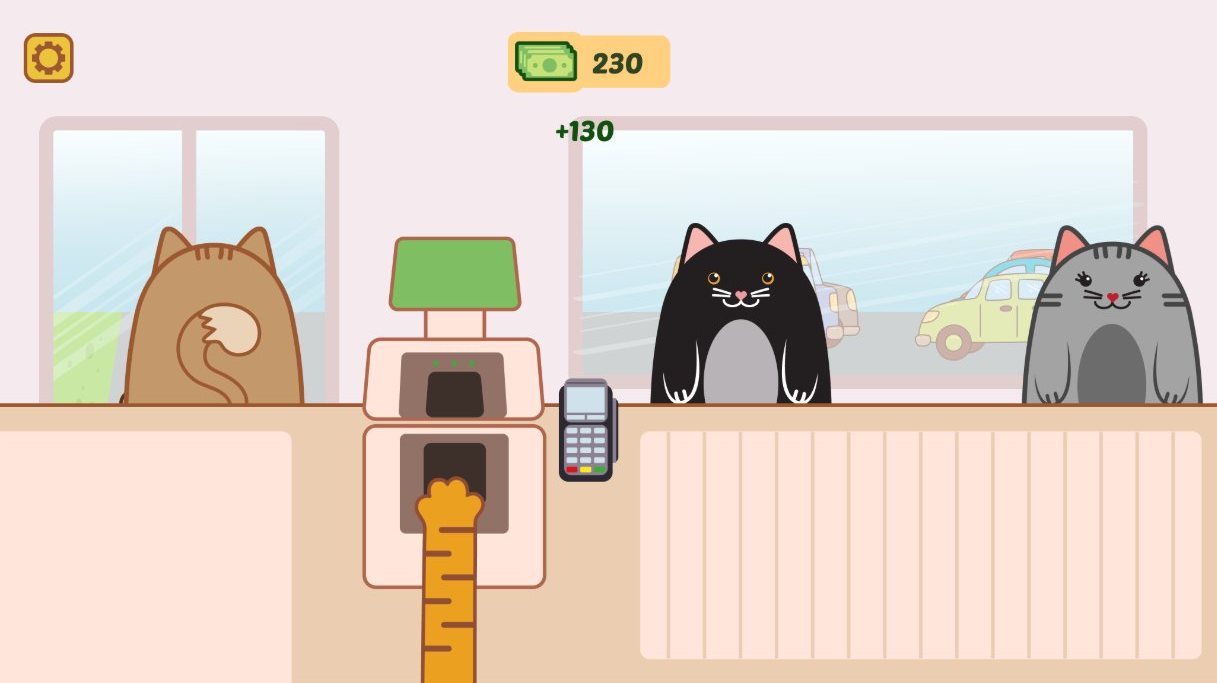
2Plus 130. 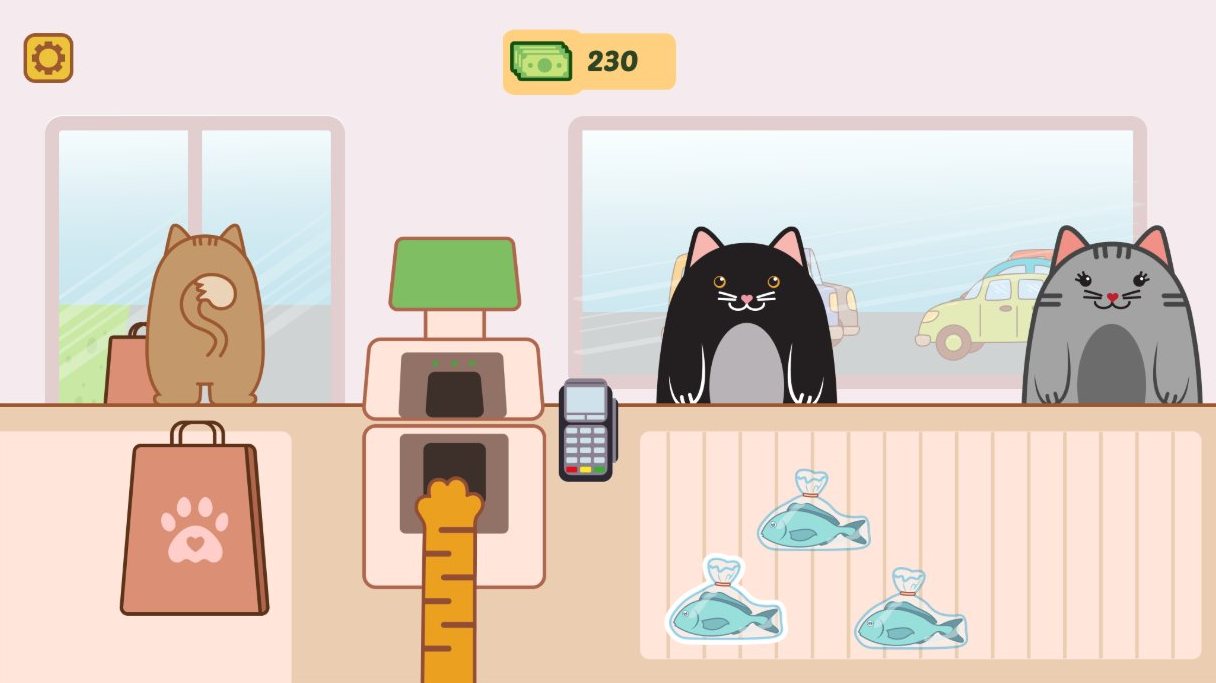
3Next in line. 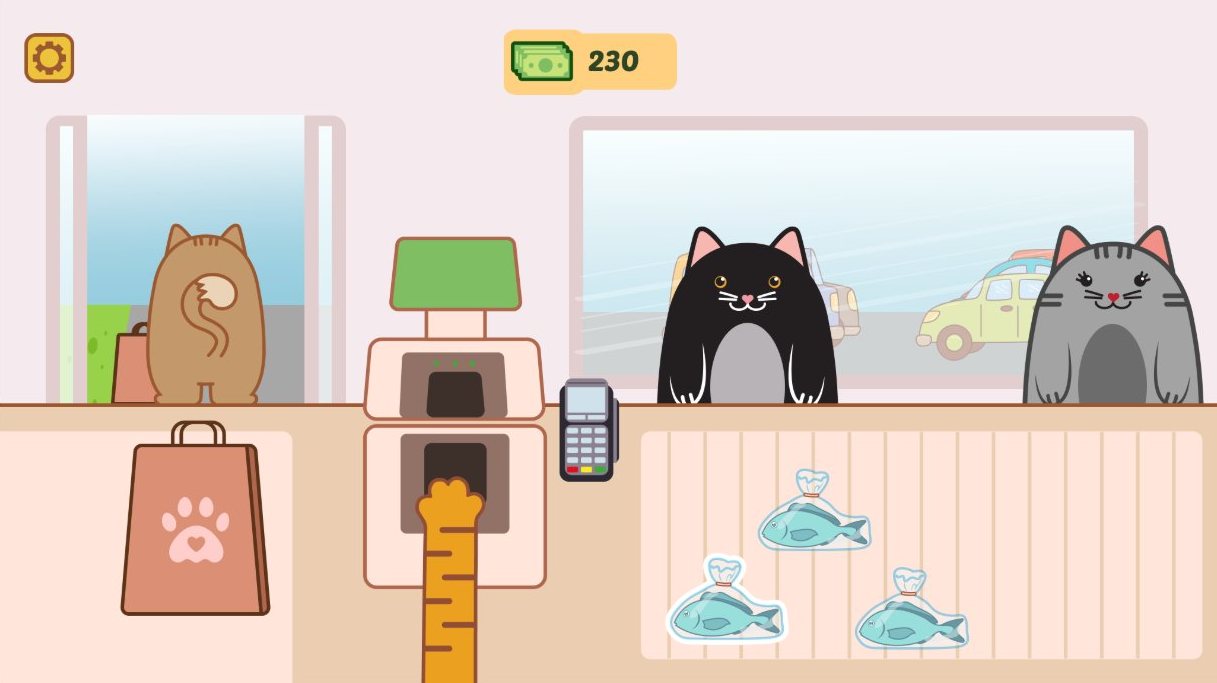
4Out the door. 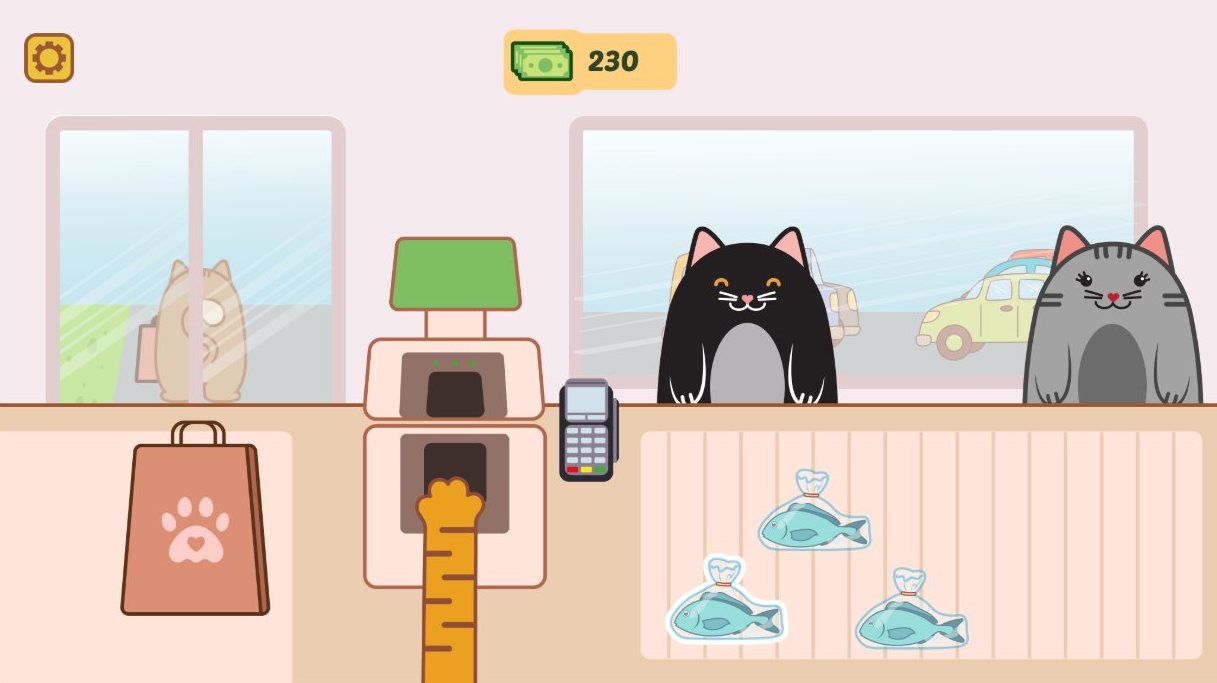
5See you soon. 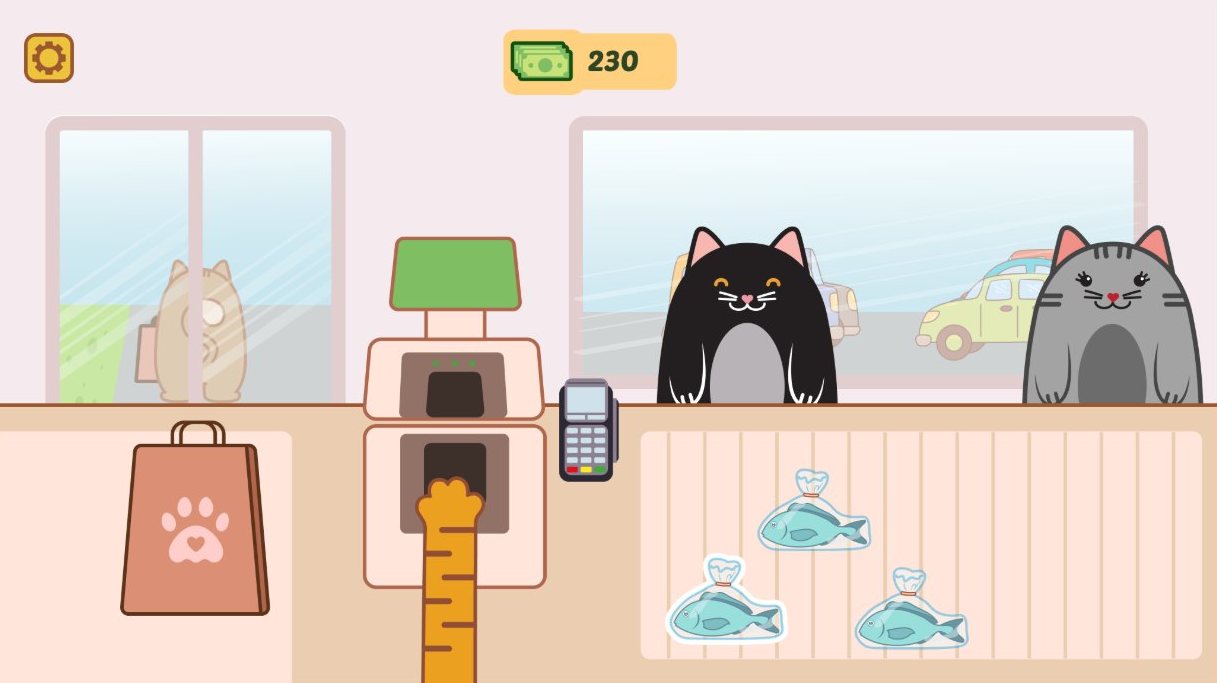
6The next sale begins.
The storyboard: one sale, from the first scan to the next customer.
Ten cats, six poses each
With the scenes defined, I knew what each cat had to do. Round, simple shapes that read well at any size, going from happy to grumpy, with a back view for walking away.

The cast.
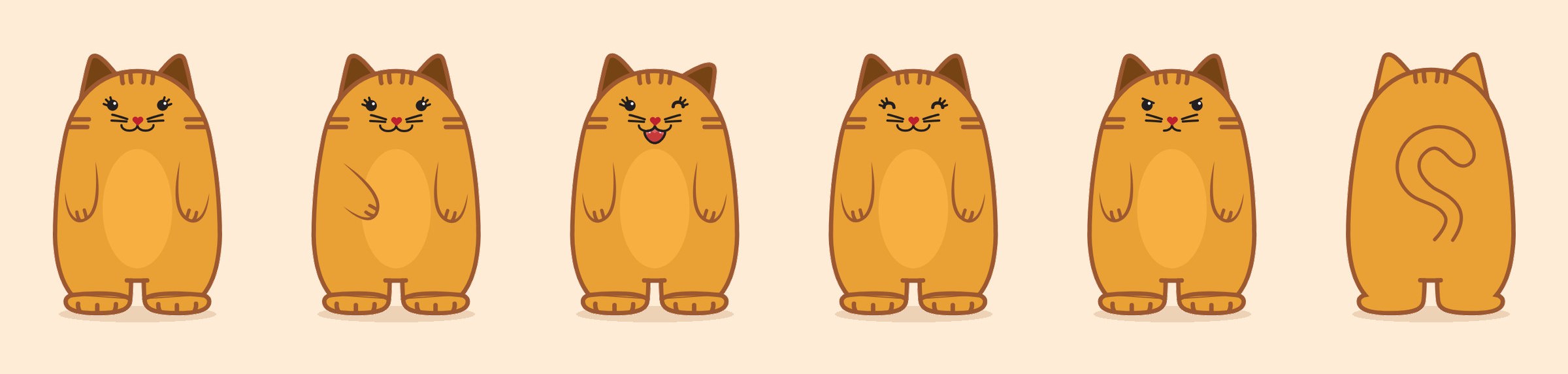
Six poses per cat.
A whole supermarket, and a wardrobe
Food, cat supplies and treats, drawn in the same soft style so they sit together on the counter.
Hats, bow ties, glasses, boots and a cane give every customer a bit of personality.
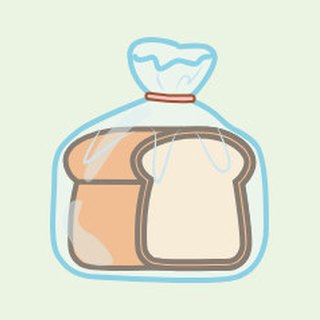
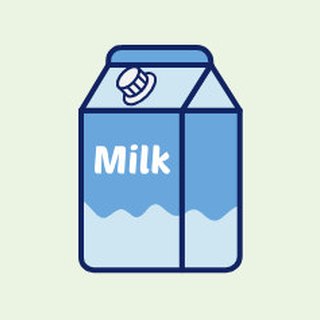
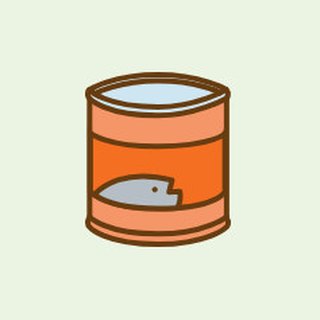


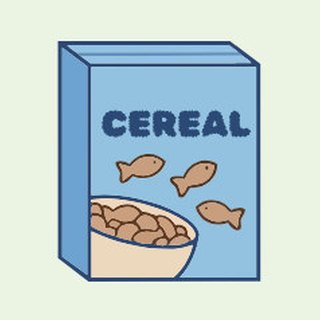


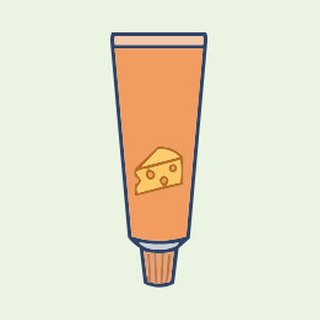
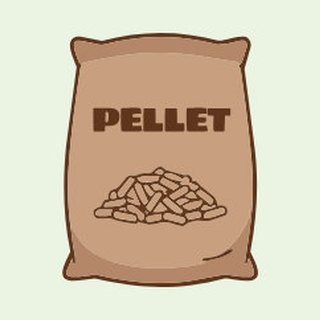
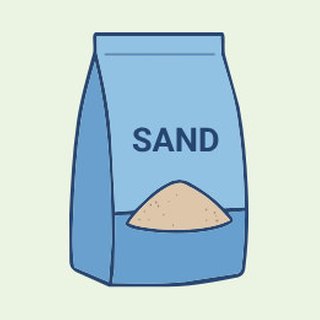
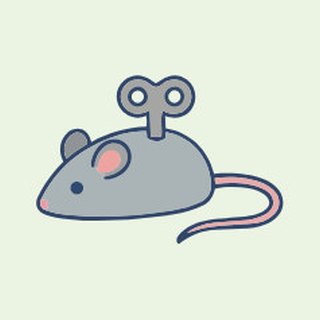
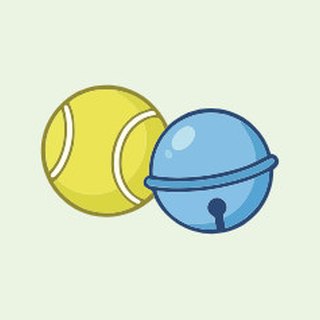

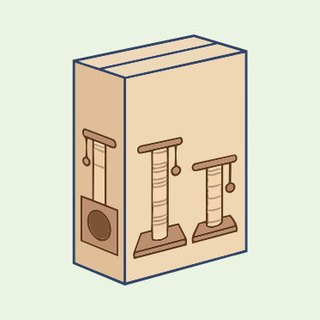

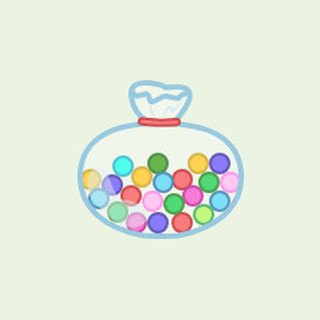









Everything a cat could buy: groceries, cat supplies, treats and accessories.
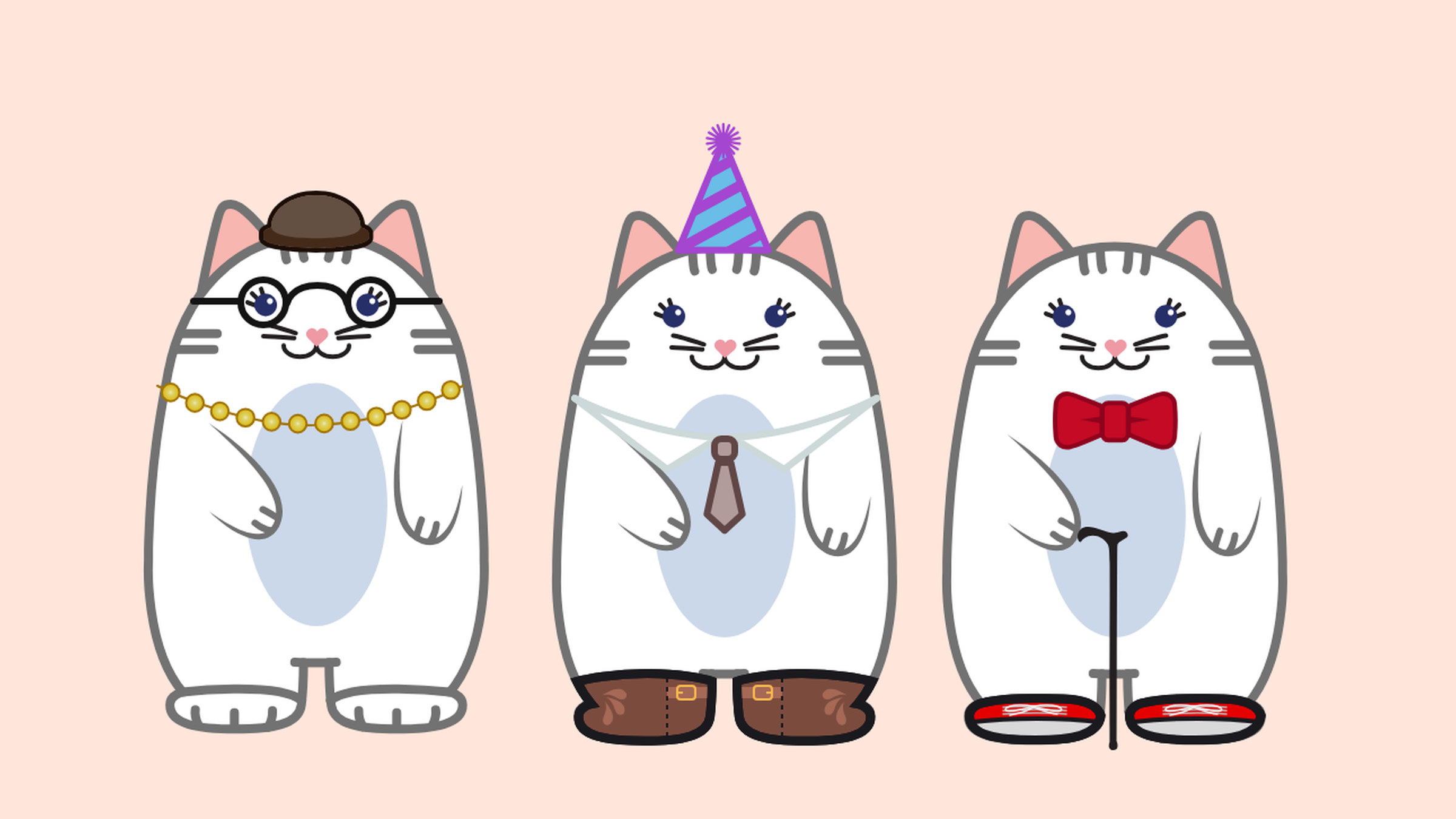
Same cat, three personalities.
From storyboard to playable
With the story, scenes, characters and elements ready, I assembled the screens and built the game with the help of AI.
The checkout keeps the structure of the first sketch. Every element on the counter has one job: the scale shows the total, the reader takes cards, the bag fills up as you scan.
The core loop: scan, pay, next customer.
Scanning alone was not enough
When I tested the game, I noticed players lost their enthusiasm after a while of only scanning products. The checkout worked, but it became repetitive.
So I designed three short mini-games between days. Each one breaks the routine with a different gesture, and pays out money to unlock new products and upgrades for the shop.
Restock the shelves: drag each product to its spot, as fast as you can.
Clean the shop: scrub away the stains before closing time.
The truck is here: catch the new stock in the air.
Fun needs variety
A good core mechanic is not enough on its own. Small changes of pace and rewards worth chasing are what make players want to play one more day.